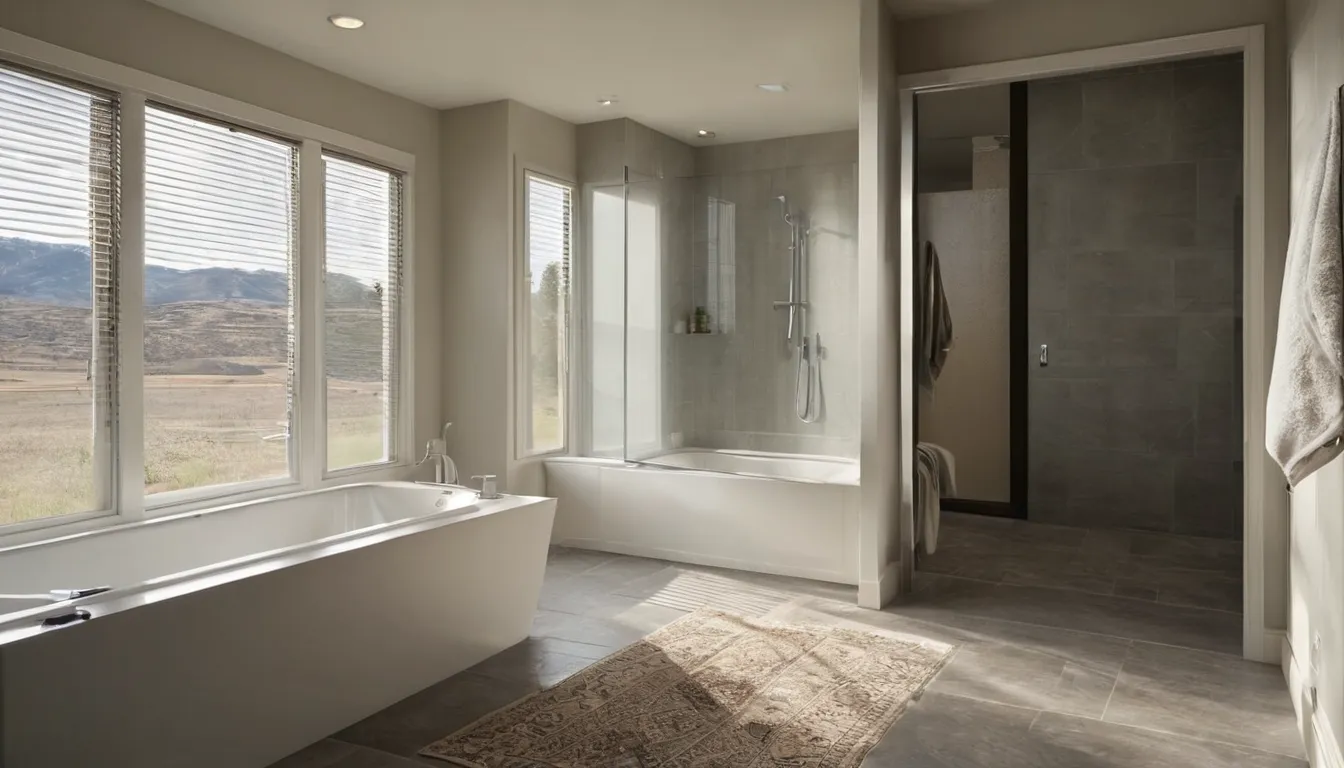
A high tub edge can turn a familiar routine into something you put off. Walk-in tubs offer a door and a built-in seat, but choosing one takes more than comparing pictures. Think of the choice like finding a comfortable chair: the height, space, and support need to suit the person using it. A local provider can check those details alongside your bathroom layout and plumbing.
Seasonal conditions also deserve a place in the plan. Winter delivery paths may be icy, while spring moisture can reveal flooring problems that need attention before tub replacement. Pashcams Walk-In Tubs is a referral service, connecting homeowners in Bloomington with independent providers in our network. The provider assesses the work, explains available options, and supplies the quote. You can ask questions about daily use, installation, and timing before deciding how to proceed.
When the tub step becomes a concern
If stepping over your tub edge feels uncertain, start planning before another difficult bath. Reaching for a towel rail, struggling to stand, or finding wet flooring after bathing deserves attention. A loose support is like a loose stair rail: it should not be treated as dependable. Avoid using damaged fixtures for balance, and have a local provider assess leaks or soft flooring before planning a new tub. Request a callback to check provider availability and explain what has changed in your bathroom.
Match the tub to the person
A walk-in tub may suit someone who prefers seated bathing and finds a conventional tub edge difficult. Yet a lower entrance does not remove every challenge. The user still needs to cross the threshold, turn, sit, and reach the controls. Think of this as checking a doorway while carrying groceries: clearance matters during movement, not just when standing still. Senior walk-in tubs come in different layouts, so involve the person who will bathe when comparing door openings, seat positions, and space for assistance.
Understand the time spent inside
Most walk-in tubs require the door to stay closed while water fills and drains. That means the user usually enters before filling and waits until drainage allows the door to open. Picture waiting for a washing machine to finish its cycle: the sequence is part of using the equipment. Ask the provider how the proposed model works, including its drain system. Consider whether sitting through that routine feels comfortable during cold weather and whether towels and a robe can stay within easy reach.
Choose support you can actually reach
Useful features may include a textured floor, secure grab bars, a comfortable seat, and controls that limit water temperature. Their placement matters as much as their presence. A grab bar out of reach is like a cupboard handle set too high: it exists, but does not help with the task. Ask the provider to explain where support is available while entering, turning, and standing. Check whether the controls require a strong grip and whether the door latch feels manageable with wet hands.
Keep the model choice practical
A soaking model offers a simpler bathing setup, while other tubs add air bubbles, water jets, or both. Think of these options like settings on a kitchen appliance: extra settings are useful only if you want to use and maintain them. Ask how each system is cleaned and what access is needed for servicing. Powered features can also change electrical requirements. Keep comfort claims separate from medical advice, and discuss any health concerns about warm soaking or jets with a qualified healthcare professional.
Let the seasons shape preparation
Cold winters, spring flooding, and humid summers can affect preparation even though the work happens indoors. Snow or ice may complicate delivery, while storm damage or basement moisture may need attention before materials arrive. Planning is like checking the weather before moving furniture: the route matters as well as the destination. Ask the provider about access, material storage, and scheduling changes during severe weather. There is no single right season for every project; your bathing needs and the condition of the home should guide timing.
Look beneath the visible surfaces
Stained flooring, loose tiles, a musty smell, or a soft patch near the old tub can point to a problem beneath the finish. Covering it with new equipment is like putting a rug over a damaged floorboard: the weakness remains. In homes with full basements, mention moisture or sump pump issues to the provider without assuming they caused the bathroom problem. Older frame houses, bungalows, and ranch homes may have different floor structures. Ask what needs inspection before the new tub's filled weight is considered.
Check the hot water supply
A deeper seated tub may need more hot water than your current bathing routine uses. Think of the water heater as a storage jug: the tub's needs must match what the system can deliver. Ask the provider to compare the selected model's fill requirements with your heater's capacity and recovery rate. Colder incoming water during winter may affect that assessment. Other household water use matters too. Have any proposed heater changes explained in the written quote instead of assuming an upgrade is included.
Know what replacement involves
Tub replacement usually includes removing the existing fixture, preparing the space, connecting the new tub, and repairing surrounding finishes. The exact work depends on access and existing conditions. Like replacing a fitted cabinet, a matching width does not mean everything behind it lines up. Ask the provider to check doors, hallways, plumbing positions, electrical needs, and service access. Confirm who handles permits where required and who removes debris. Also ask how you should plan for bathing while the bathroom is unavailable.
Put the useful questions in writing
A written scope helps you compare proposals without relying on memory. Treat it like a shopping list for a large household purchase: each included item should be clear.
- Which tub model and features does the quote include?
- What plumbing, electrical, flooring, and wall work is included?
- How are hidden problems priced and approved?
- Who handles delivery, permits, disposal, and cleanup?
- What product and workmanship warranty terms apply?
Ask for separate explanations of optional features and necessary repairs. A safe bathing conversion should begin with shared expectations about the actual work.
Plan for ordinary upkeep
After installation, follow the manufacturer's directions for cleaning the door seal, tub surfaces, and any jet system. Think of the seal like the gasket on a food container: residue can interfere with a clean closing surface. Ask the provider to demonstrate the latch, controls, and drain before regular use. Keep the surrounding floor dry, especially during humid weather. Report new leaks, a changing latch feel, or drainage problems to the provider instead of continuing with a routine that no longer works as expected.
Start with the details you know
You do not need a model number to begin. Share what feels difficult, who will use the tub, and any signs of moisture. Like measuring before buying curtains, those details make the next conversation more useful. Pashcams Walk-In Tubs connects homeowners with independent providers in our network; the provider evaluates the bathroom and performs any agreed work. Request a callback to discuss walk-in tubs in Bloomington, or use the request form to ask about an estimate.
What's Included
Entry and Seat Fit
Like choosing a chair, compare seat height and entry space with the movements your bathing routine actually requires.
Water Supply
Check heater capacity like checking a jug before filling a much larger container.
Seasonal Access Planning
Treat delivery like moving furniture: ask the provider about clear paths, protected floors, and weather that could interrupt.
A Clear Written Scope
Use the quote like a checklist, matching each proposed task with its price, responsibility, and any stated exclusions.
What Goes Into Your Tub Budget
Think of these typical U.S. planning ranges as a rough shopping list. Costs vary by model, access, and repair needs. Request a written provider quote; included work can overlap, so avoid adding every row together.
| Item | Typical U.S. range | Notes |
|---|---|---|
| Soaking walk-in tub, unit only | $2,000 – $5,000 | Basic models; delivery and installation may be separate. |
| Air or water jet tub, unit only | $4,000 – $10,000 | Features, size, and controls affect equipment pricing. |
| Combination-feature tub, unit only | $6,000 – $12,000 | Multiple powered features may add electrical requirements. |
| Installation labor and connections | $2,000 – $6,000 | Access and existing plumbing affect scope; major repairs are extra. |
| Water heater replacement | $1,000 – $3,500 | Only if needed; system changes can exceed this range. |
| Floor and wall repairs | $500 – $3,000 | Limited repairs; structural damage can cost more. |
How It Works
Describe Your Routine
Give the provider a snapshot of bathing today, including difficult movements, desired support, and any signs of moisture.
Review Your Bathroom Space
Like fitting furniture, the provider checks dimensions, access, and connections before recommending equipment.
Compare The Written Details
Read the proposal like a checklist, confirming equipment, included work, exclusions, and pricing.
Arrange Work With Provider
Plan the work like a household move, discussing delivery access, weather, and temporary bathing arrangements.
Why Call Pashcams Walk-In Tubs
Clear Roles
Pashcams Walk-In Tubs serves as a bridge to independent providers; the provider assesses your bathroom, quotes the work, and completes it.
Patient Planning
Like trying a chair, compare everyday comfort before deciding which tub features deserve attention.
Seasonal Context
Use weather as a planning calendar, leaving room to discuss access, moisture, and timing with providers.
Earlier Questions
Treat small changes like dashboard lights: mention damp flooring or difficult steps before choosing your equipment.
Other Services
Need walk-in tubs in Bloomington?
Request a callback to check provider availability for your bathing project, or use the request form to describe your space and ask for an estimate.
Walk-In Tubs FAQ
Can a walk-in tub fit where my old bathtub is?
Some models fit a conventional tub space, but dimensions alone do not settle it. Like fitting a sofa through a doorway, delivery access matters too. A local provider should check the route and required connections.
Can walk-in tubs be installed during winter?
Winter installation may be possible, depending on provider availability and home conditions. Think of delivery like moving furniture in snow: clear access matters. Ask the provider how weather could affect delivery, storage, and scheduling.
Are walk-in tubs the same as handicap accessible showers?
No. Walk-in tubs hold water for seated soaking; handicap accessible showers use a different bathing setup. Like choosing a chair, suitability depends on the user's movements and support needs.
Reach a local provider
Request a callback to check provider availability for your bathing project, or use the request form to describe your space and ask for an estimate.
No obligation